

NEED TO KNOW
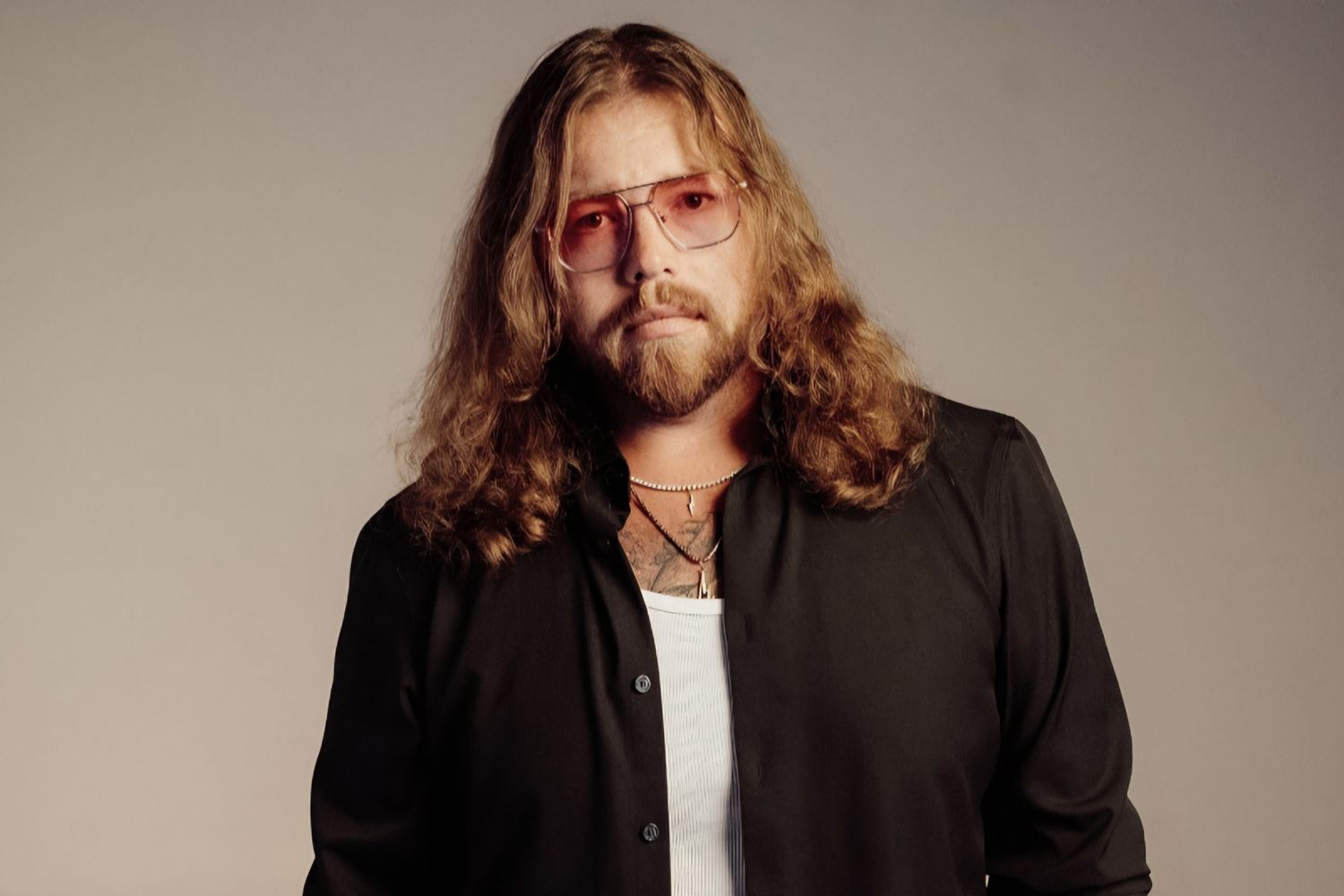
For Travis Bolt, music has not only been a passion but a saving grace for his health.
“As cliche as this sounds, music is a medication,” the Texas-born artist tells PEOPLE over Zoom.
Diagnosed with Tourette syndrome at 11 years old, Bolt found himself struggling early on at school. “Kids are mean. I was overweight. I played the tuba. I had it all going for me, I promise you,” he laughs.
But growing up, he found a passion for music when his parents would take him to Larry Joe Taylor’s famed festival in Stephenville, Texas. Because his dad not only was a cook there, but was good friends with the festival’s owner, Bolt had the opportunity to spend time backstage watching the artists perform for the screaming crowds.
“It kind of gave me the bug then, and it escalated from there, or evolved,” the 26-year-old musician recalls.
Sean McGee
At the same time, Bolt found himself enthralled with Texas country music — artists like Billy Joe Shaver and Rusty Wier — before his interest expanded into folk music, blues and bluegrass. Later, he found himself drawn to Amos Lee and Jerry Jeff Walker.
The combination of his tastes melded into his own musical style. “It’s Texas country roots, but folky songwriting, blues and rock influences in the music,” he says of his work.
Managing his Tourette’s was its own battle. Bolt spent a fair amount of his childhood on trial medications — some of which helped and some which didn’t — and others that left him with side effects. “I’m in a couple of medical journals,” he notes.
But Bolt also notably received compensation for the trials, which tangibly helped him with the beginnings of his music career. At around 13 years old, he received his first check from the trials, which was roughly $1,000, and bought an Xbox and his first guitar, a Washburn Hollow Body Electric.
By attending bluegrass revivals with his grandparents, Bolt ended up learning how to play guitar professionally from the senior men in the back room. “They taught me how to pick and do all the things,” he says. According to Bolt, what he learned there shows up in “every one of my songs I still play today.” “I still throw a lick in there from a bluegrass song,” he smiles.
Along the way, Bolt realized that music could temper some of his Tourette’s tics. “Playing guitar and singing actually slowed down my facial tics, so I just wanted to play all the time because I didn’t have to worry about it,” he explains. It’s still a mystery as to why it’s helped, but it’s made Bolt even more dedicated to his music career.
Now, he is wholeheartedly focused on releasing his debut full-length album, Burning Bridges, which is due in March via Gravel Road. “It’s a culmination of things leading up to this point,” Bolt says of the album. “I decided to go that route with the title because I feel like this is a new chapter of my life.”
The album will feature songs about his divorce, coming home, redemption and even a Harley Davidson anthem (since he’s an aficionado). But his new single from the album, “Blues at My Funeral,” which PEOPLE can exclusively premiere, is a nod to Bolt’s “roots.”
“When I go out, whenever that is, 50 years from now or two years from now, hopefully not, I want people to have a party,” he says. “Not that they’re happy I’m gone, just don’t [want them to] be sitting there sad. Play the blues at my funeral.”
Alongside the track, Bolt filmed a “hardcore” video at a biker speakeasy. “We tried to shoot a five-minute movie about the owner of said club owning basically everything that I made, and I wasn’t going for that,” he says.
But more than anything, Bolt is looking ahead to his album release and how it will impact listeners. Hopefully, he says, it will help them, too.
“Music’s helped me quite a bit and I want to extend that to everyone else,” says Bolt. “I want people to get emotion out of it. I want them to feel alive.”
Burning Bridges is out March 6.
