

NEED TO KNOW
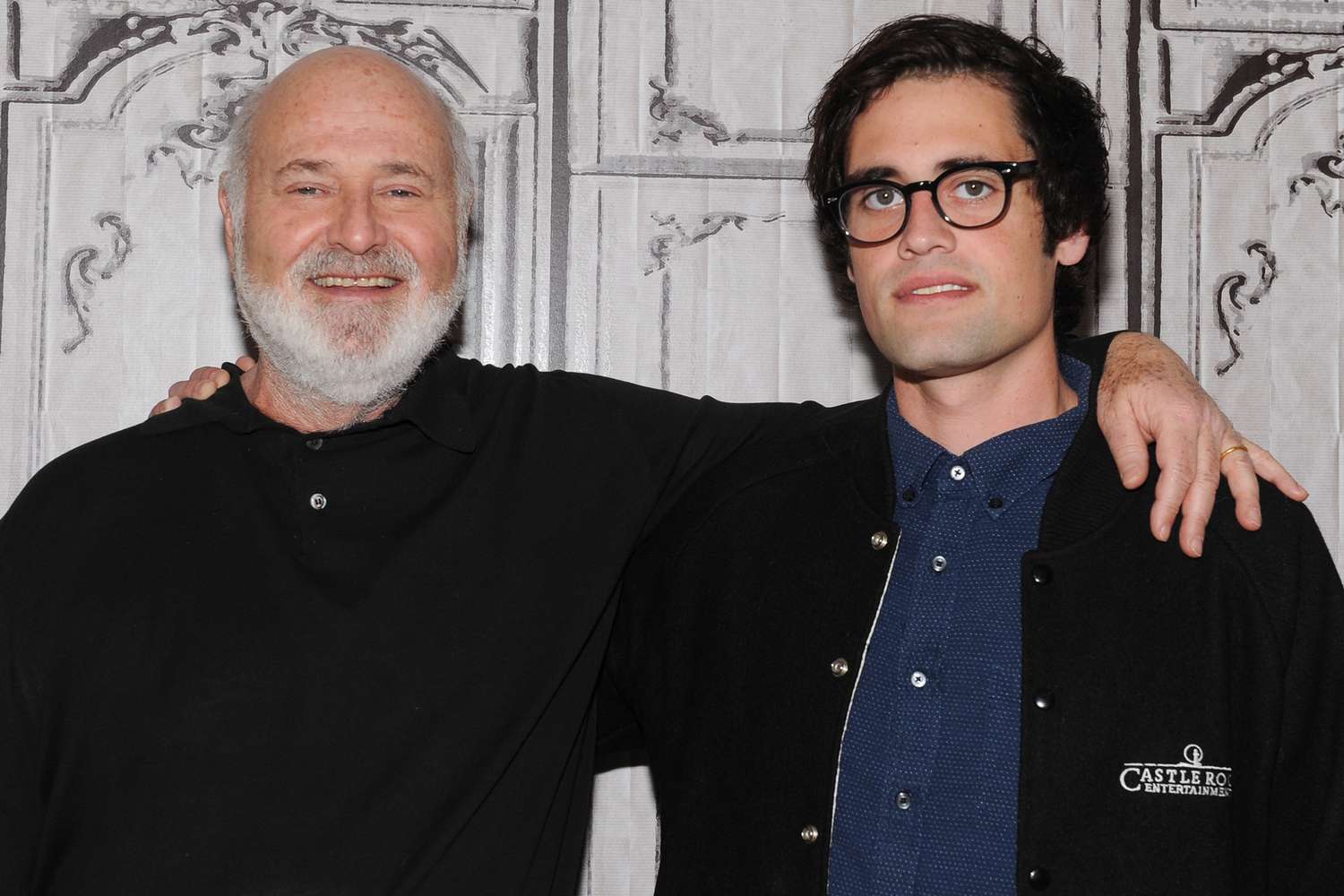
Rob Reiner and his son Nick Reiner previously discussed how they healed their relationship after working on a very personal film together — 10 years before the director’s death.
The 78-year-old, who was found dead alongside his wife Michele Singer Reiner at their Calif. home on Sunday, Dec. 14, collaborated with son Nick, 32, on the 2015 semi-autobiographical film Being Charlie, which Nick co-wrote based on his struggles with drug addiction.
The film tells the story of 18-year-old addict Charlie Mills and his tensions with his parents — particularly his father, movie star and Congress hopeful David — over their harsh treatment of him while dealing with his addiction.
Rob and Michele were found dead at their home in Brentwood, Los Angeles, on Sunday, the Los Angeles Fire Department (LAFD) told PEOPLE. The department said they were called to the home at around 3:30 p.m. local time to provide medical aid.
Multiple sources who spoke with family members told PEOPLE that the couple was killed by their son Nick. Nick was questioned by police and later taken into custody. He is being held on $4 million bail.
In a 2015 interview with BUILD Series about Being Charlie, Rob and Nick said that they grew closer while working on the project and admitted that they didn’t have the strongest relationship for years before collaborating.
“I mean, you know, we got into issues [but] … the whole process for me, it did make me understand him a lot more and I think it made me a better father, hopefully it did,” Rob, who directed the film, said.
“It really clicked for me, because we didn’t bond a lot as a kid,” Nick said. “He really liked baseball, I like basketball and he could watch that with my brother, baseball. But when I saw him do that [directing], it was something that I’m interested in, I was like, ‘Wow, like he really knows a lot.’ And it made me feel closer to him.”
Speaking at the TIFF premiere of Being Charlie in 2015, Rob said that the character Charlie resents his parents for their harsh treatment amid his addictions as they send him away for mandatory stints in rehab, which closely follows how he and his wife treated Nick, per the Los Angeles Times.
Denise Truscello/Getty
“When Nick would tell us that it wasn’t working for him, we wouldn’t listen. We were desperate and because the people had diplomas on their wall, we listened to them when we should have been listening to our son,” Rob told the outlet.
Michele, 68, added, “We were so influenced by these people. They would tell us he’s a liar, that he was trying to manipulate us. And we believed them.”
John Nacion/Variety via Getty
In a 2016 interview with PEOPLE, Nick shared that he was first sent off to a rehab around his 15th birthday and refused to go back multiple times after that. “If I wanted to do it my way and not go to the programs they were suggesting, then I had to be homeless,” he said.
Nick said that he ended up having 17 stays in rehab amid some stints of homelessness. “I was homeless in Maine. I was homeless in New Jersey. I was homeless in Texas. I spent nights on the street. I spent weeks on the street. It was not fun,” he recalled.
“That made me who I am now, having to deal with that stuff,” Nick continued to PEOPLE. “…Now, I’ve been home for a really long time, and I’ve sort of gotten acclimated back to being in Los Angeles and being around my family. But there was a lot of dark years there.”
Rob said in reflection of that difficult period on BUILD Series, “The whole idea of tough love and you have to be a certain way, it’s not my nature, it’s not the way I am built.”
Never miss a story — sign up for PEOPLE’s free daily newsletter to stay up-to-date on the best of what PEOPLE has to offer, from celebrity news to compelling human interest stories.
“If your kid is going through rough times, [as] the parent, your main job is to keep your child safe. So I would do anything,” the director said earlier in the interview. “At the end of the day, I know my child better than an expert does and I probably should have trusted my own instinct and that’s one of the things I did learn about the whole experience.”
If you or someone you know is struggling with substance abuse, please contact the SAMHSA helpline at 1-800-662-HELP.
