

NEED TO KNOW
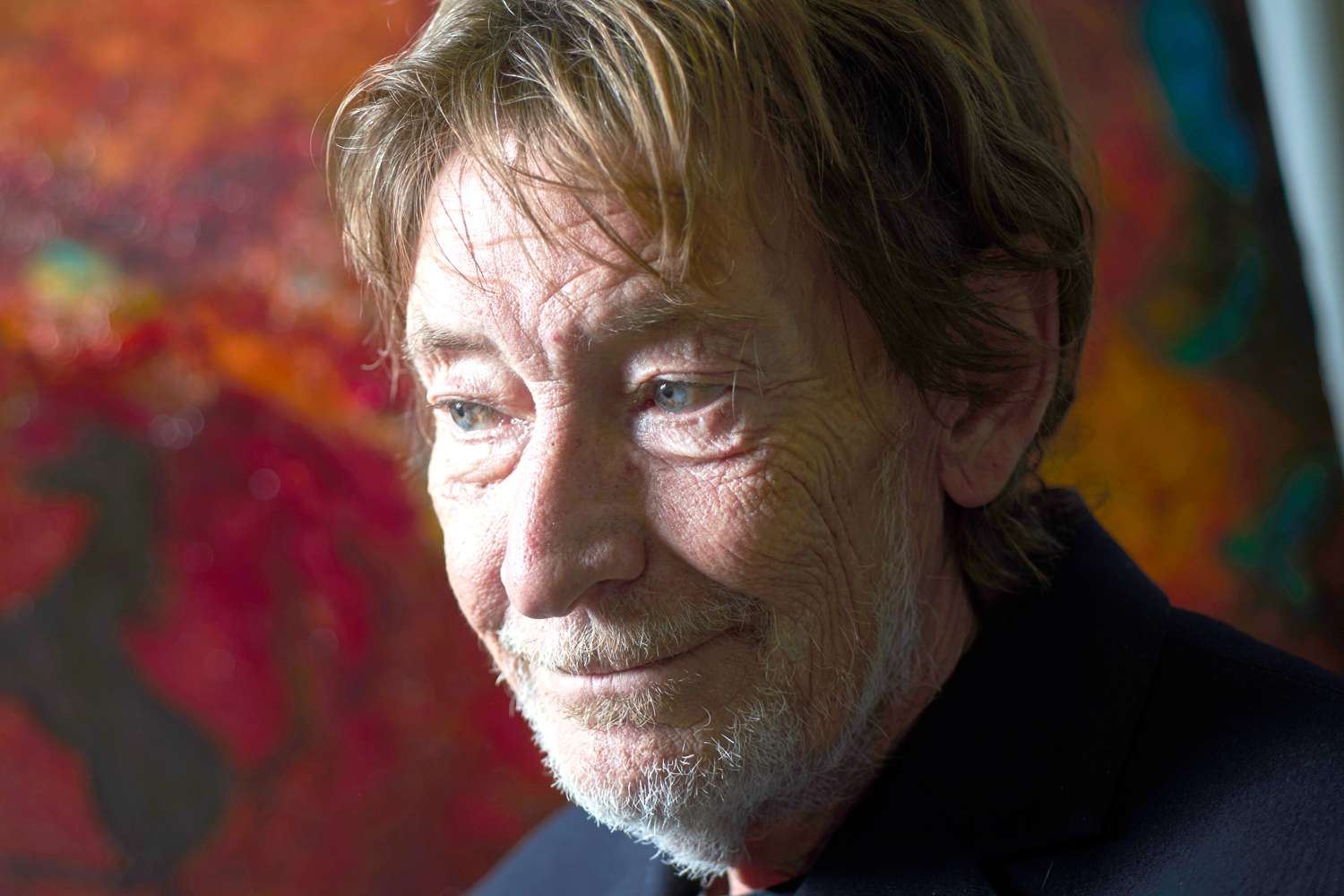
Chris Rea, the musician behind the classic hits “Driving Home for Christmas” and “The Road to Hell,” has died. He was 74.
Rea died following a short illness, his family announced in an Instagram post on Monday, Dec. 22.
“It is with great sadness that we announce the passing of our beloved Chris, who died peacefully earlier today following a short illness,” they wrote.
“Chris’s music has created the soundtrack to many lives, and his legacy will live on through the songs he leaves behind,” the family concluded.
Rea experienced a series of health problems in the years prior to his death. He was diagnosed with pancreatic cancer in 1994 and eventually had surgery to remove his pancreas and intestines, causing him to develop diabetes. He also suffered a stroke in 2016, per the BBC and The Guardian.
David Wolff – Patrick/Redferns
Rea was born in the English town of North Yorkshire as one of six siblings in 1951. He joined his first band called Magdalene at age 22, and later joined a second band called the Beautiful Losers, before breaking out as a solo artist in the early 1970s, per the U.K. outlet The Guardian.
Rea was offered his first record deal in 1974 and released his debut single “So Much Love” that year. He first achieved success in the U.S. with his 1978 song “Fool (If You Think It’s Over),” from his debut album Whatever Happened to Benny Santini?, which earned him a Grammy nomination for Best New Artist.
The late singer released his biggest hit “Driving Home for Christmas” in 1986, included in the 1988 compilation album New Light Through Old Windows. The song initially wasn’t successful upon its first release; however, it grew in popularity in the years that followed and remains on holiday charts around the world.
Frank Hoensch/Redferns
Rea continued with major success in the 1980s following the releases of his albums The Road to Hell (1989) and Auberge (1991), which featured his popular hits “The Road to Hell,” “On the Beach,” and “Josephine,” named after his daughter.
Never miss a story — sign up for PEOPLE’s free daily newsletter to stay up-to-date on the best of what PEOPLE has to offer, from celebrity news to compelling human interest stories.
Rea told The Guardian, following his stroke in 2016, “[It was a] very scary moment … I got it into my head that my perception of pitch had gone with the stroke. And it took a lot of convincing from people saying there’s nothing wrong with what you’re playing.”
Rea returned to music in 2017 with his final album, Road Songs for Lovers, for which he performed several shows. During one gig, the rocker collapsed onstage and was forced to cancel the rest of his performances as he recovered, per the BBC.
Rea is survived by his wife Joan and two daughters, Josephine and Julia.
