

NEED TO KNOW
The man responsible for some of the most iconic sitcom theme songs was also the one behind another familiar tune — the Monday Night Football theme.
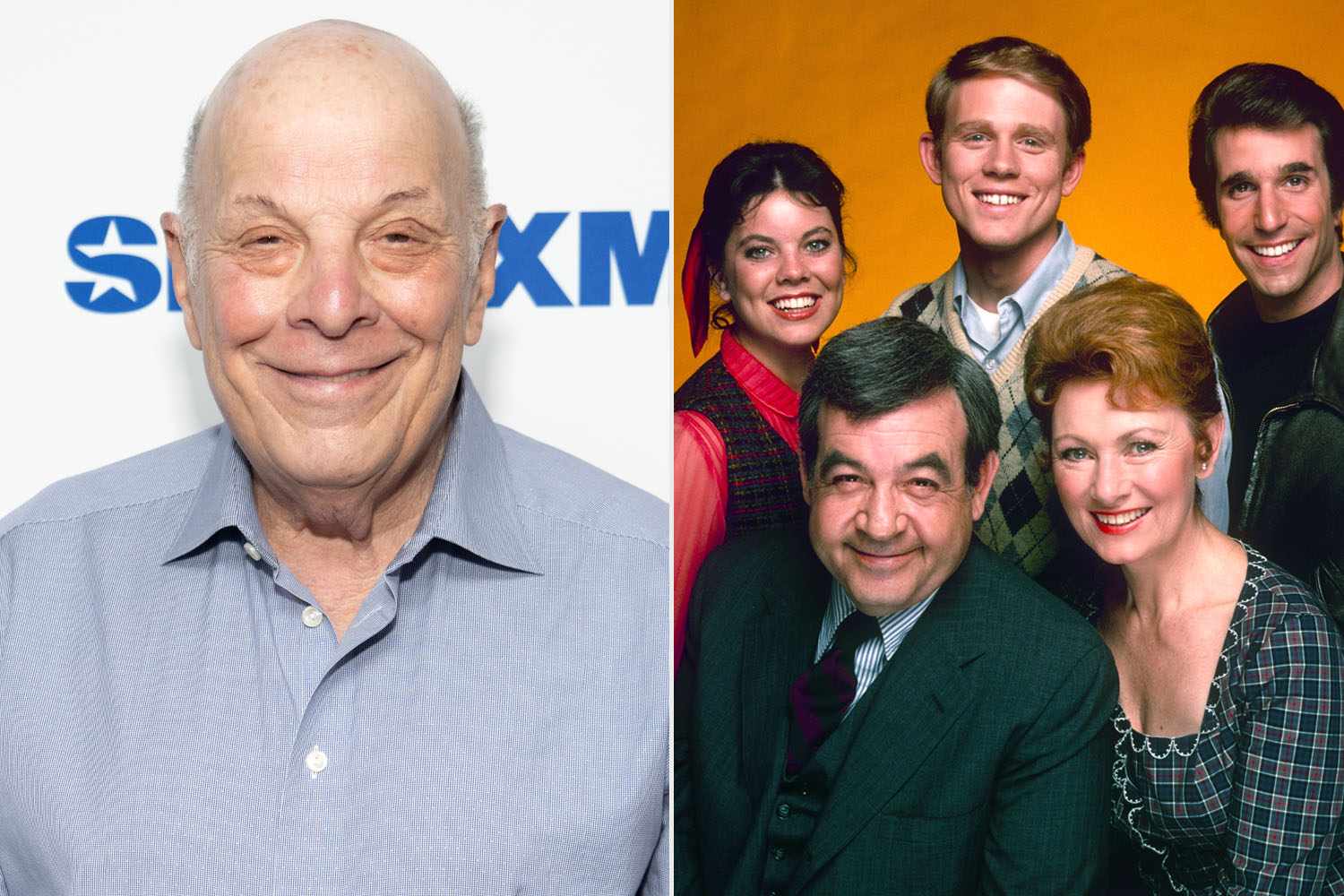
Charles Fox composed the theme songs for some of the most popular TV shows of the 1960s and 1970s — including The Love Boat, Happy Days, Laverne & Shirley and Wonder Woman.
But he wrote the original theme for Monday Night Football, composing the score for “Wide World of Sports,” and making a catchphrase of “the thrill of victory and the agony of defeat.”
Fox is also the writer of popular hit songs like “Killing Me Softly with His Song,” which shot to number one twice — for both Roberta Flack in 1973 and, in 1996, for the Fugees.
Never miss a story — sign up for PEOPLE’s free daily newsletter to stay up-to-date on the best of what PEOPLE has to offer, from celebrity news to compelling human interest stories.
Michael Buckner/Variety via Getty
Fox’s career is detailed in the latest issue of the Library of Congress Magazine.
As the magazine notes, the composer donated a selection of his papers (which reveal the notes he made while composing some of the themes) to the Library of Congress’s Music Division.
Fox was honored with a star on the Hollywood Walk of Fame in 2024, with Ana Martinez, producer of the Hollywood Walk of Fame, saying in a release: “Charles Fox’s contributions to the music industry are undeniable, and it is the honor of the Hollywood Chamber of Commerce to immortalize his legacy on the iconic Walk of Fame.”
Fox’s star is located in front of the Musician’s Institute.
He also composed the musical scores for more than 100 feature films and TV movies and was twice-nominated for Academy Awards — for original songs from The Other Side of the Mountain and Foul Play.
In an earlier interview for Rough Draft Atlanta, Fox shared insight into his creative process, saying, “Most of the things that I’ve done I’ve been for characters, either in shows, in a stage show, where each one has a personality, and there’s a meaning for the song. There’s a reason, a raison d’etre, for the song. Or just for a singer, who has a certain range or sings a certain kind of song. So I’ve usually written, in my case, many television theme songs.”
“So there’s always a reason for it, it’s not just writing a nice song,” he added. “The notes never stop for me. I always hear the music.”
