

NEED TO KNOW
Daytime talk shows ended up in the hot seat in the 1990s, and even some producers had mixed feelings about what unfolded.
In the three-part ABC news docuseries Dirty Talk: When Daytime Talk Shows Ruled TV, which aired its second episode on Wednesday, Jan. 21, Geraldo producer Marty Berman reflected on how the series balanced sensational stories with treating the guests well. The second installment of the series recounts the murder of Scott Amedure by Jonathan Schmitz, after they appeared on The Jenny Jones Show. In the segment, Amedure revealed he had a crush on Schmitz, who shot and killed him in 1995.
In the docuseries, Ross Benes, author of 1999: The Year Low Culture Conquered America, says that even though there was backlash to the shows after Amedure’s death, daytime TV actually reached the “pinnacle of its sleaziness” after the murder.
Syndication
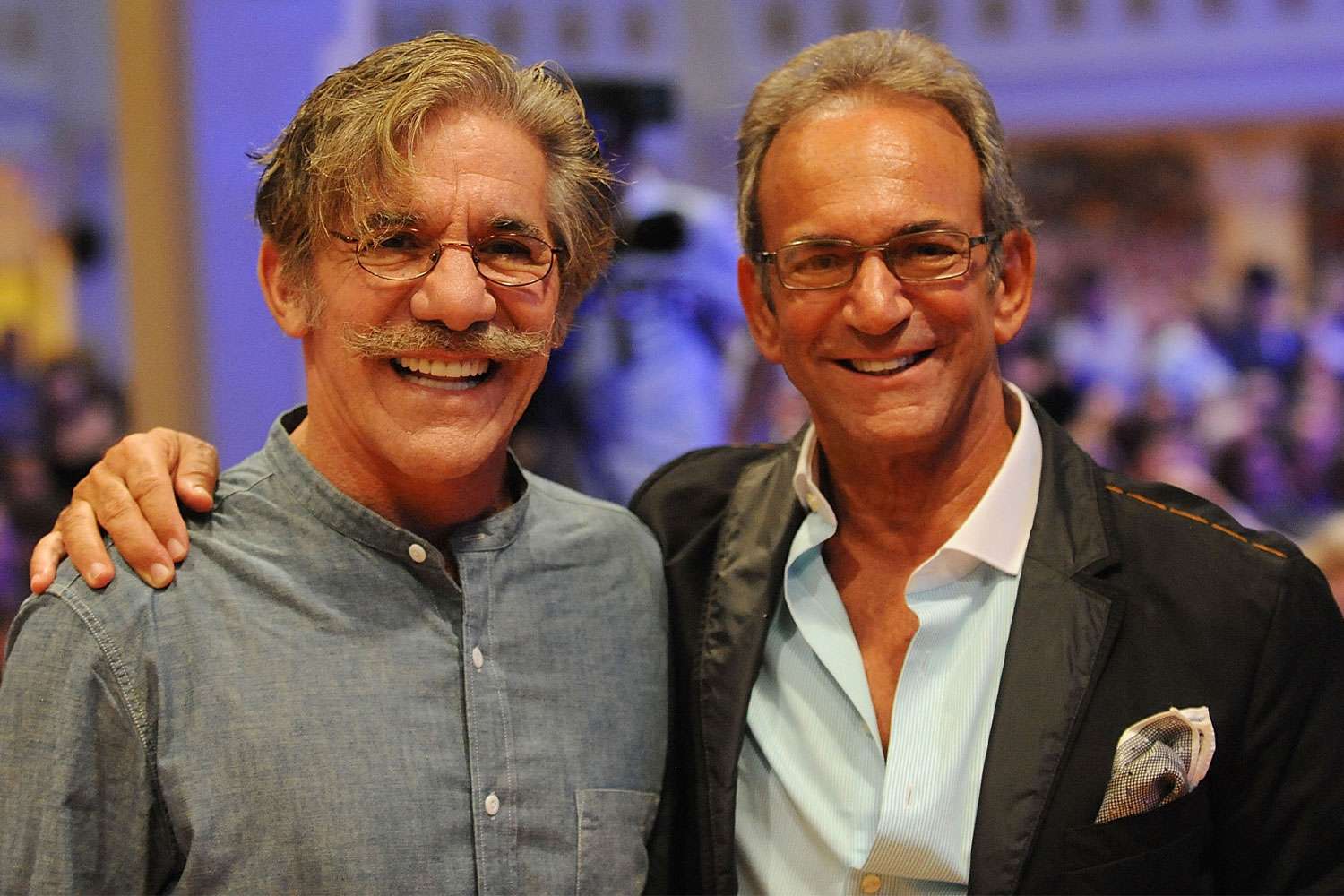
After the murder, Geraldo Rivera announced that his series, Geraldo, would focus on more typical news, instead of the tabloid stories it had become known for (including an infamous 1988 incident where he broke his nose during an on-set brawl).
“What happened with Jenny Jones sent shockwaves through all of us,” Marty Berman, executive producer of Geraldo, says in the documentary. The producer, 79, explains that the issue of exploiting guests had troubled him for quite some time.
It was always in my mind, how were the guests gonna be when they left,” he said. “A few years before this, the producers and myself and Geraldo, we would have a terrible feeling at the end of the show. And I said, ‘I can’t sleep at night.’ And all the producers were feeling it.”
The show decided to start an aftercare program in 1990. Rivera (who did not participate in the series) explains in an archival clip from his show that they did it as a way of “being socially responsible and answering our guests cries for help.”
Many shows would end their episodes with a therapist on camera to console the guests, but Dr. Jamie Huysman, a psychologist who founded TV Aftercare, says in the series that this program did more.
“We put together a network of hospitals, outpatient programs and therapists around the country,” he says. “I would take the guests and put them in treatment that was approximately $8 million for free care.” He also trained producers to look for “red flags and psychological issues.”
“We were the first to do it, and a lot of people jumped on that bandwagon,” Berman says. Geraldo ultimately ran from 1987 to 1998.
Courtesy Everett Collection
Amy Rosenblum, executive producer of Sally Jessy Raphael and Maury, adds in the episode that after the Jenny Jones incident, “everything changed” and they had “full-time therapy” on the show. They talked to the guests before they went on and for “a few months” after if they were “really upset. Elsewhere in the episode, she says the main way the show found guests was through The National Enquirer.
Maury Povich, who hosted his eponymous talk show from 1991 to 2022, says in the doc that after the murder, “The release that every guest signs, it became huge. And we better have a full interview, background check on every single guest on this show.”
The episode also chronicles how the premiere of Ricki Lake’s eponymous talk show in 1993 pushed everyone to go even further with their guests as her popularity exploded. Montel Williams says in the doc, “I knew right from day one, we gotta pay attention to what she’s doing, because if you don’t, you’re gonna get left in the dust.” He hosted The Montel Williams show from 1991 to 2008.
Ricki Lake featured steamy topics from a younger perspective in order to bring in a younger demographic, and other shows followed suit. Povich remembered one segment his show would do: “We would have a beauty pageant and we would dress up 10 people. The name of the show was ‘Is It a Man or a Woman?’ . . . I couldn’t do that show today. There’s no way.’ ”
Anthony Freire, a producer The Maury Povich Show and Sally Jessy Raphael, notes in the doc, “You kind of just wanted to get [the guests] out the door. I needed to go back to work immediately after the taping of the show. But I look back and I think, ‘Oh gosh, like maybe we shouldn’t have done that.”
The final episode of Dirty Talk: When Daytime Talk Shows Ruled TV premieres on Wednesday, Jan. 28 at 9 p.m. on ABC. Episodes stream next day on Disney+ and Hulu.
