

NEED TO KNOW
Chappell Roan is “giggling” at all of the commentary about her instantly iconic look at the 2026 Grammy Awards.
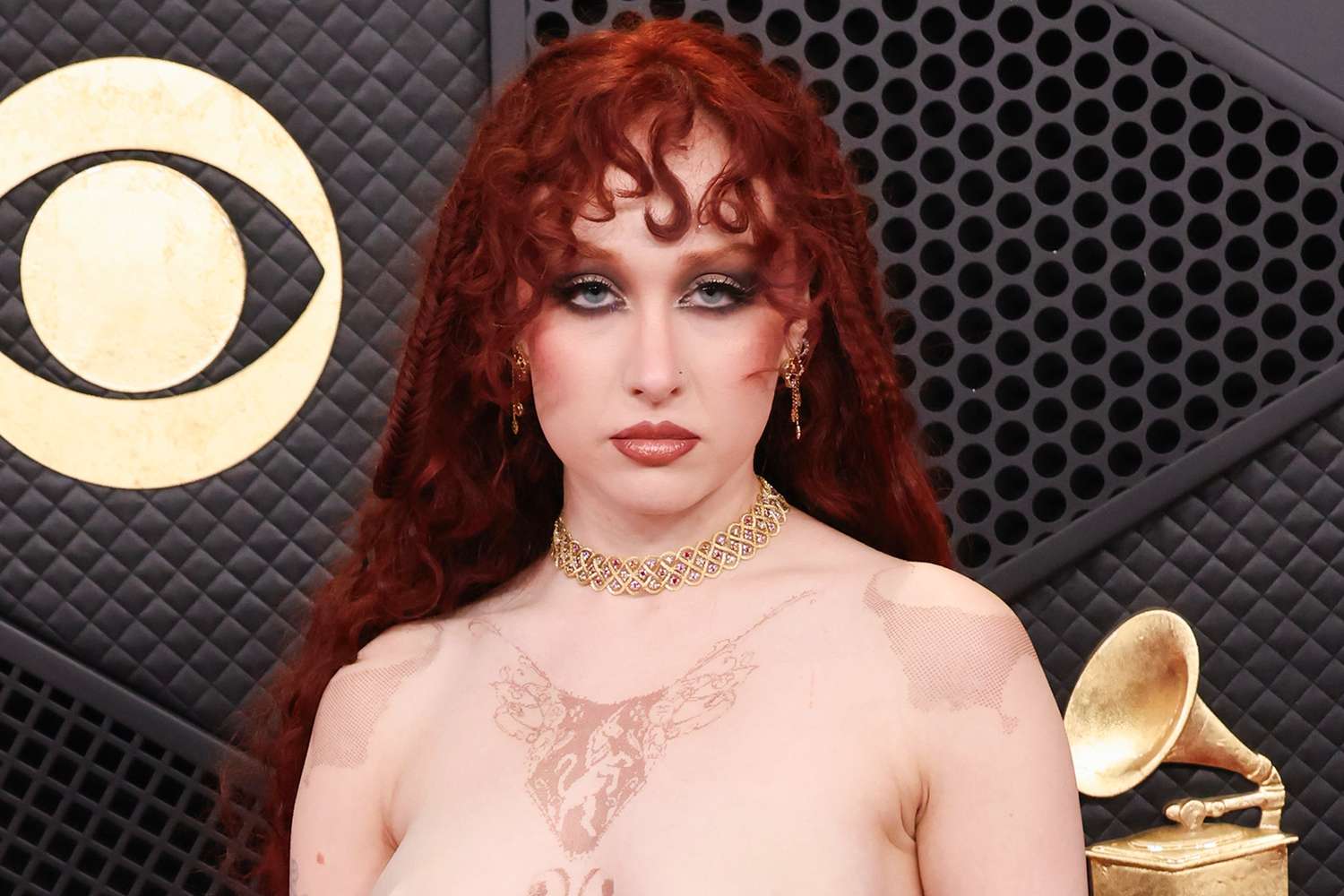
The “Hot to Go” performer, 27, made an entrance to remember at this year’s ceremony, where she arrived at the red carpet in a trompe l’oeil gown by Mugler consisting of a skin-tone bodice with faux nipple piercings and intricate tattoos. The custom creation, which draped sheer burgundy fabric from the faux piercings to the floor and featured a matching cape, was inspired by a runway design from Thierry Mugler’s spring 1998 “Jeu de Paume” couture collection.
After Roan’s arrival, the gown quickly became one of the biggest talking points from this year’s red carpet — and ceremony. Roan, however, isn’t fazed by all the fuss.
“Giggling because I don’t even think this is THAT outrageous of an outfit,” the Grammy winner shared on Instagram in a Monday, Feb. 2 carousel post with photos of her look.
Kevin Mazur/Getty
“The look’s actually so awesome and weird,” Roan continued, adding, “I recommend just exercising your free will it’s really fun and silly 😀 Thank you for having me @grammys and those who voted for me!!”
Roan completed her Grammys look, curated by her longtime stylist Genesis Webb, with gold fine jewelry from Buccellati.
chappell roan/instagram
Never miss a story — sign up for PEOPLE’s free daily newsletter to stay up-to-date on the best of what PEOPLE has to offer, from celebrity news to compelling human interest stories.
While Roan didn’t take home the Grammy awards she was nominated for this year with “The Subway,” last year she walked away with Best New Artist. During her acceptance speech, Roan advocated for artists, telling the room, “Labels, we got you, but do you got us?”
“I told myself that if I ever won a Grammy and got to stand up here before the most powerful people in music, I would demand that labels in the industry profiting millions of dollars off of artists would offer a livable wage and health care, especially to developing artists,” Roan said in her speech, adding, “Record labels need to treat their artists as valuable employees with a livable wage and health insurance and protection.”
