

NEED TO KNOW
Darryl McDaniels wants the sober community to emphasize principles of community.
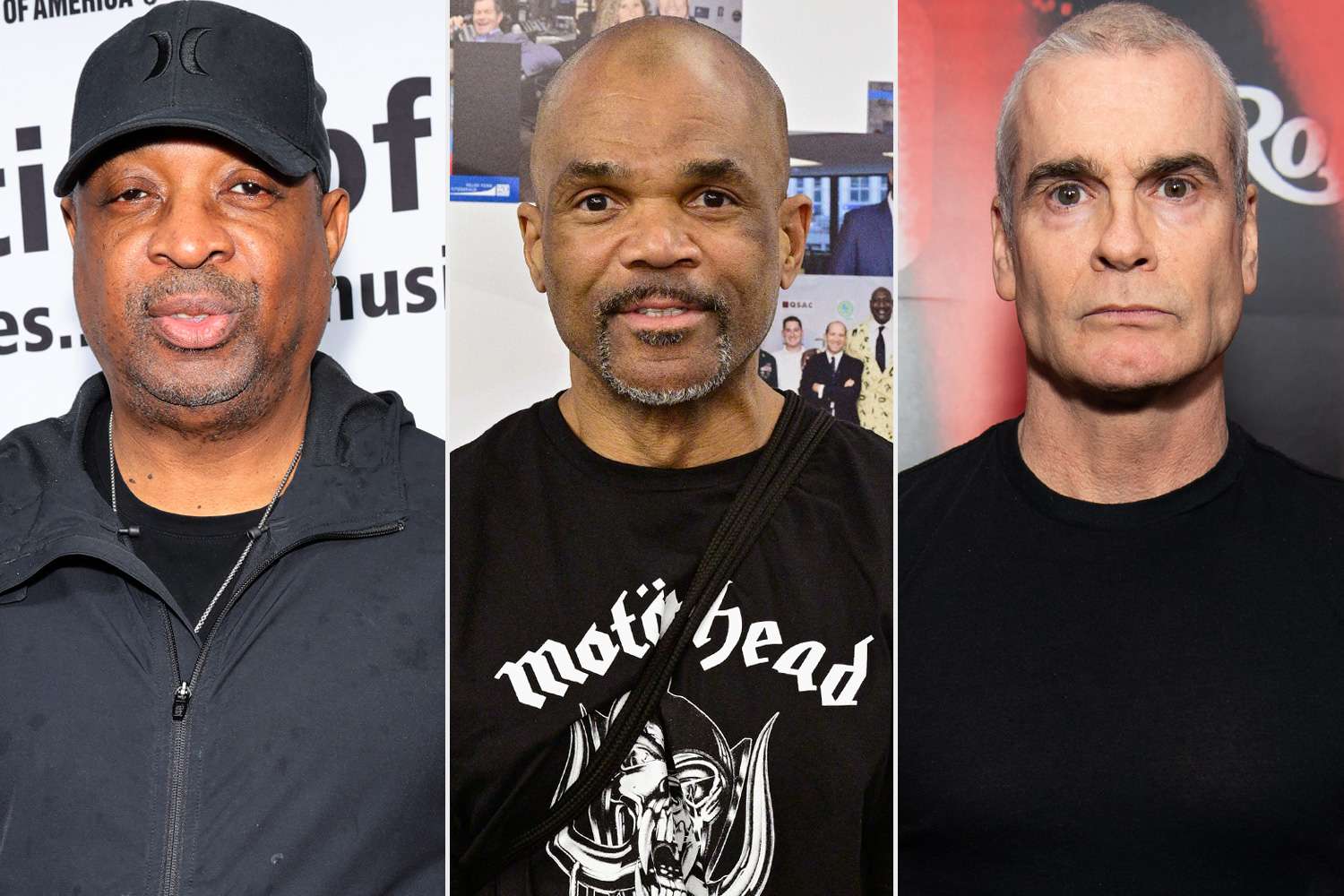
The Run-DMC member, 61, spoke with PEOPLE about fighting the fear of isolation that many are faced with when dedicating themselves to sobriety. Sober himself since 2004, DMC tells PEOPLE that he’s partnering with 1 Million Strong to create and advocate for inclusive sober spaces in entertainment, music, sports and more because he understands the difference community can make in someone’s sobriety journey.
“When you’re going through something, you feel so alone. You don’t really confide in anybody because everybody’s going to think that you’re weird, so you start doing what everybody is doing, even though you’re the one that’s getting the most messed up,” he shares.
“Because if you’re doing what everybody’s doing, you still feel like you have a place somewhere. And that’s why I like 1 Million Strong, because they’re creating community for you to belong to.”
Never miss a story — sign up for PEOPLE’s free daily newsletter to stay up-to-date on the best of what PEOPLE has to offer, from celebrity news to compelling human interest stories.
Stand Together
For DMC, he admits the pressure of maintaining a certain level of success with Run-DMC contributed to his struggles with substances.
“All of these things start building up. You say, ‘I got to do this, because I don’t want Run and Jay to be mad at me. I don’t want the label to be mad at me.’ You start thinking about everybody else’s needs instead of your own needs,” DMC explains.
“It wasn’t until therapy and rehab that I realized I don’t need none of that s–t. All I need to do is be happy with who I am, which I was before I started listening to the perspectives of other people.”
DMC also points out that both the music industry as a whole and hip hop culture engage in glamorizing partying culture.
“In my community, my whole life growing up, it was never discussed. At the time, if you listened to hip-hop and rock records, drinking and smoking and having sex and just acting like a God damned fool, it’s the thing you’re supposed to be doing,” he notes.
“So a lot of people don’t know no better. So they get thrust in the hole. And that’s what we’re dealing with a lot of harmful, destructive behaviors that are celebrated. It’s brilliant that 1 Million Strong is saying, ‘No, let’s go back to the front door of the problem. We’re not trying to go in this room and that room, let’s not go to the third floor, second floor, let’s catch this at the front door.’ Everybody talks about the stigma, but they don’t talk about not having the habit.”
Stand Together
For DMC, recognizing there were others in his industry who were successful and respected for what they did without drinking or doing drugs changed his perspective.
“In 1988, we were on tour. It was Run-DMC, EPMD, Eric B. & Rakim, and Public Enemy. We’re touring togehter and all standing on the side of the stage and the conversation came up for, ‘What makes hip-hop so good right now?’ ” he recalls.
“It was like, ‘Yo, we’re doing videos, we’re on the radio, we get to make records. We went from the disco and the roller skating rink to the clubs, and now we are in the civic centers and the arenas and coliseums.’ And I was like, ‘Yeah, Run and them got us getting sneaker deals, and Run and them got us making movies, and all of that stuff.’ And then the conversation went into, ‘Yeah man, we could get Cadillacs and gold chains… man, we could get all the weed that we want. We could get all the old English 800 that we want. We can get all the Bacardi and coke that we want.’ ”
Among those engaged in the “exciting” conversation was Chuck D of Public Enemy.
“Then it gets to a young man named Carlton Ridenhauer, aka Chuck D of Public Enemy. This is 1988. Chuck was maybe 24, and I think I was 22. It came to Chuck, and he said, with that God voice of his, with confidence and power, and sincerity and honesty, he said, ‘I never got high a God damn day in my life.’ ”
“I remember when Chuck said that because Chuck’s my favorite guy of all time. I love Chuck because of that voice, the delivery, and what he did with those records. I idolize him because he’s so good on the mic, the best thing that every happened on the microphone,” he continued.
“And coming up in hip-hop, you’re cool if you get high and smoke blunts and drink and all of this. But, when Chuck said, ‘I never got high a God damn day in my life,’ I went back to my room and I sat there, and I said this to myself, ‘So why the hell does he rhyme so deaf?’ Like, I didn’t know that. I just met this guy at Adelphi University and I thought Chuck got high like everybody else. What he said that day, a young man, confidently with a God force, ‘I never got high a God damn day,’ made me say, ‘S–t, I never had to do that.’ ”
Stand Together
DMC had another such moment of realization after getting sober, when he appeared on a panel about addiction and sobriety with Ace Frehley and Steven Adler.
“We do the panel, and Henry Rollins is the moderator. And this is so funny, because it went directly back to the Chuck thing, but I didn’t know it would become significant in my life to allow me to experience, something that would allow me to be able to roll with 1 Million Strong. After the conference, I’m sitting there with Henry Rollins, and I turned to Henry and said, ‘Henry, how long have you been in recovery and sober?’ And Henry, … I mean he’s the most powerful thing ever on a stage, on a record, in the studio or on a mic … Henry in a very eloquent voice, turns to me and says, ‘Darryl, I’ve never got high a God damn day in my life.’ ”
“And I go, ‘Oh my God, Henry, Chuck D told me that a couple of years ago when I was on tour with him.’ And then Henry goes, ‘Chuck D happens to be one of my good friends.’ ”
Those two moments have become important to DMC in his work spreading positivity around sober living.
“It’s one thing telling people you could get sober and you could stay clean, and there’s a whole community, a whole universe of people just like you. It’s another to show them, because you think it doesn’t exist in entertainment, sports and music and stuff like that. But Chuck D and Henry Rollins is two examples that it’s always been there. Even being DMC, I didn’t know that.”
