

NEED TO KNOW
Hip hop has always existed at the intersection of different art forms.
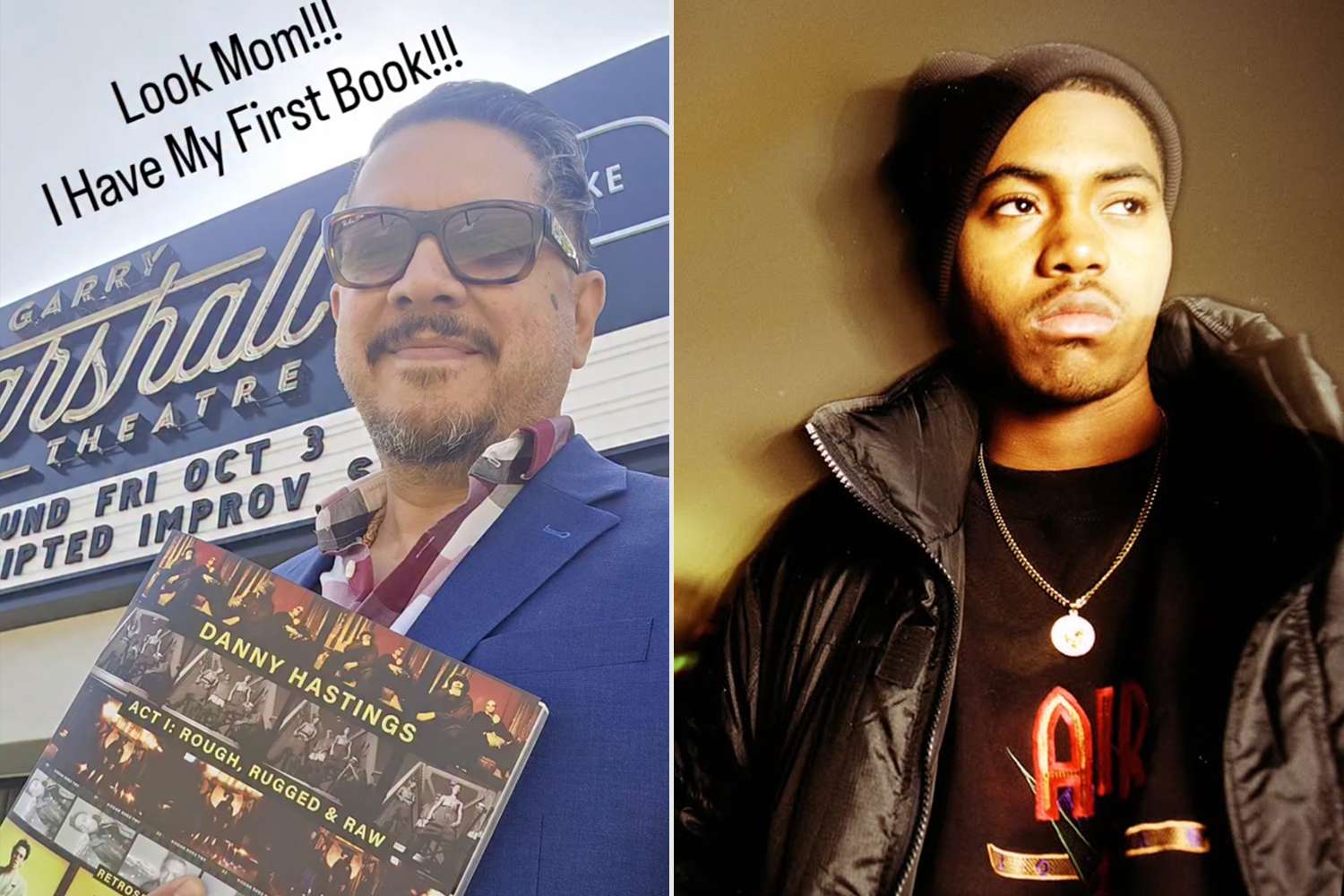
For Danny Hastings, a passion for photography brought him from his early life in Panama to the heart of New York City as hip-hop entered a genre-shifting era, the early 1990s.
The up-and-coming rappers of the time are now considered the of the OGs of the game, but back then, Hastings tells PEOPLE, “We were all from humble beginnings.”
“I grew up in the hood in Panama. My family… nobody had money from my family. Now, my peers, my cousins, we’re all professionals, we’re working, but our family came from the hood. But it was a good, honest upbringing,” he shares.
“We were raised on good principles. We were taught well to respect people and to embrace everybody. And that’s one of the things that I noticed, once I met people like Nas, for example.”
Never miss a story — sign up for PEOPLE’s free daily newsletter to stay up-to-date on the best of what PEOPLE has to offer, from celebrity news to compelling human interest stories.
“I was in his home, and his home was beautiful. It was the hood, it was Queenbridge projects, but his mom had a nice mantel on top of the table, the little crochet things that they used to put underneath the lamps, the plastic that they used to put on the couch, you know what I mean?”
Hastings continues, “All those things that let you know, it was a loving place inside. Outside was madness. But that outside is what people see, but inside home, it’s a special place that is surrounded by love.”
The partnership between them has resulted in memorable moments. Most recently, the two got together to shoot the cover for Light Years, Nas and DJ Premier’s joint album, out Dec. 12.
Throughout his career, Hastings has photographed some of hip hop’s biggest acts, including the Wu Tang Clan, Nas, Cypress Hill, De La Soul, and more. Those moments come together in his new photobook, Legendario, Act I: Rough, Rugged and Raw. The first of a three-part photographic retrospective by renowned photographer, the book includes interactive QR codes that unlock behind-the-scenes stories, alternate shots, and deeper looks into the sessions that shaped hip-hop history.
Hastings tells PEOPLE his background and the relationships he developed in his early career continue to nurture his creativity to this day.
“I gravitated to rappers that way, and I made some incredible friendships with them. And it was like on the phone, ‘Danny, man, come by, I’m doing a show.’ So it was seeing each other eye to eye, and it was seeing each other in the same place. When I shot the Wu Tang’s 36 Chambers, ODB didn’t have money to get back in the ferry to go back to Staten Island. So he was like, ‘Yo, can you spot me $5?’ ‘Yo, here’s 20.’ ‘Bam, all right, good-looking kid.'”
Hastings explains that even though “I was working for them, they were brand new. They didn’t know. what they were going to be.”
“It was like right before they became millionaires, it’s like next week, I could have had $2,000 back. But at that point, it was like, ‘Yo, it’s real right now, kid, let me ask some…’ And I was like, ‘Sure, no problem.’ It’s all love, and the respect was, and is, still there with them. It’s still there.”
While Hastings doesn’t pick favorites, he cherishes the relationships that have resulted in continued collaboration and appreciation on all ends.
“Obviously, Wu-Tang. All the Wu-Tang brothers, for me, they have a special place in my heart. Nas, Nas is such a visionary. Eminem — every time I work with Eminem, it’s just magic. Gang Starr, DJ Premier. Man, DJ Premier is one of my good friends and whenever we link up, we also make magic.”
By introducing fans past and present to his work in this era through his book, Hastings has enjoyed “making connections with the real fans.”
“I’ve just been sharing it with my people and I’ve been getting so much support from it. And it’s self-publish, this is not by any of the big major corporations putting money behind it, it’s me actually buying the books, putting together, wrapping them up, so you’re going to get a Danny Hastings experience from the very beginning,” he shares.
“And what I hope it does, it inspires people, and it’s also… I’m writing the legacy, I am putting it together on paper so people know what I did. Because nowadays, if you don’t do that yourself, you get erased, you get forgotten.”
He continues, “Things are changing quickly, superfast. If you accomplish something, put it out there. If you wrote a song, put it out there. Don’t hold on to things, just put it out there. Make sure that people are able to get your work, because that feels really, really great.”
“I hope my book inspires a lot of young creatives, and it brings some great memories to some of the people that lived through these days, because it’s going to bring them back.”
Legendario, Act I: Rough, Rugged and Raw is now available for purchase.
